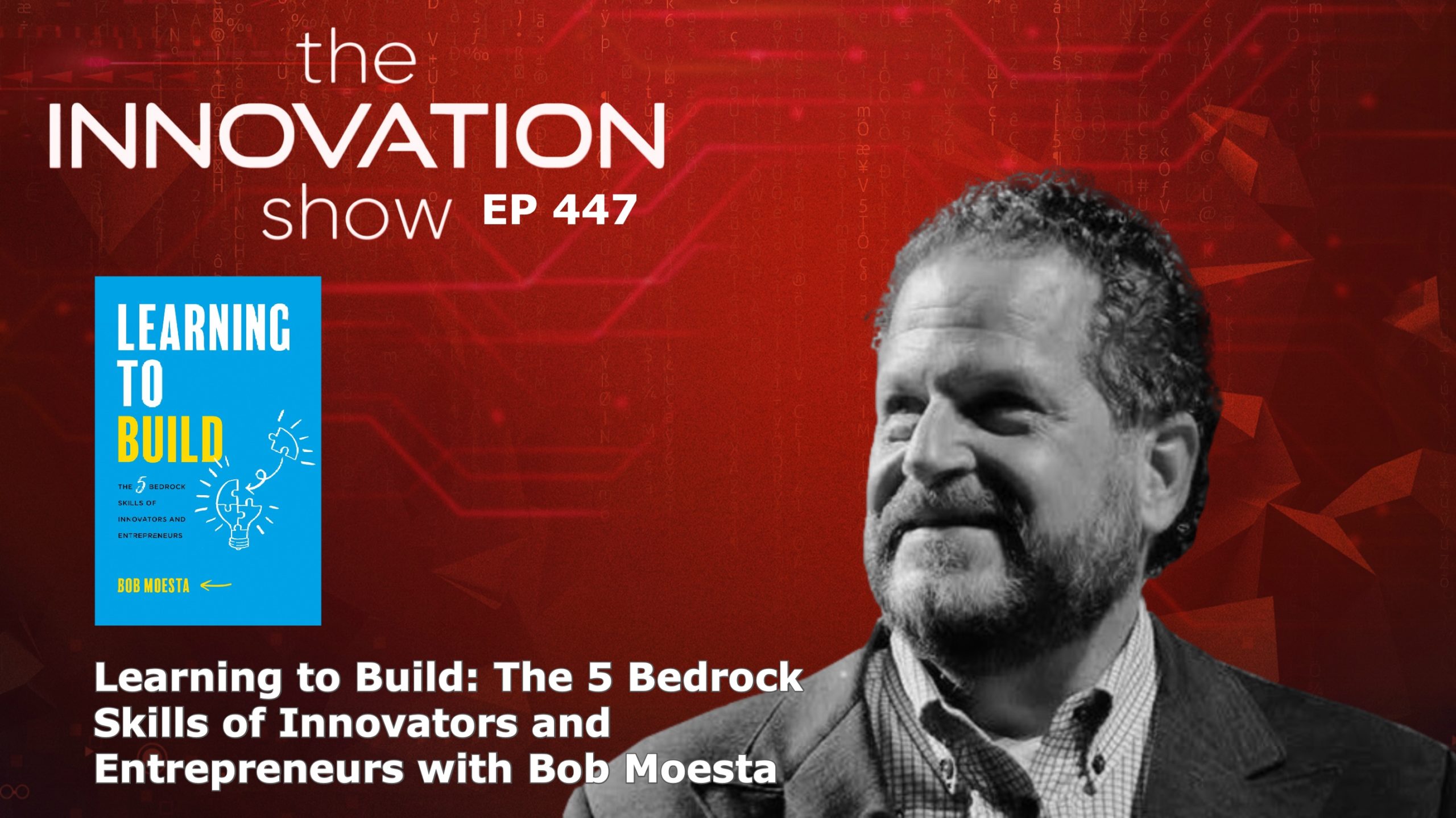
It is a pleasure to welcome to the Innovation show a friend of the show to share insights from his latest book, “Learning to Build: The 5 Bedrock Skills of Innovators and Entrepreneurs”, Bob Moesta.
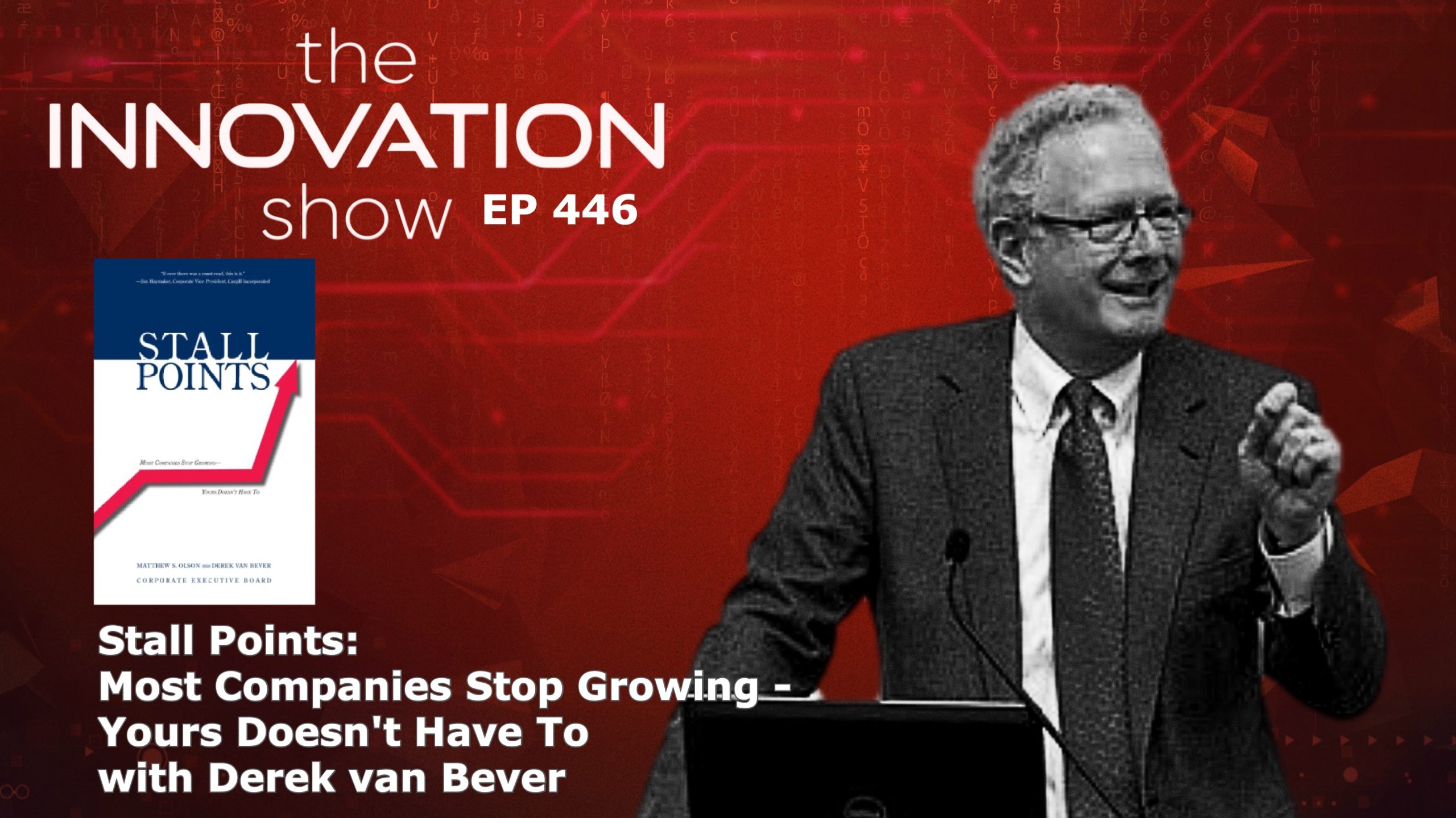
Derek van Bever and team investigated the incidence and consequences of growth stalls in major corporations, then probe the root causes. Examining hundreds of stall points, the authors conclude that the greatest threat to a company’s growth is posed by obsolete strategic assumptions that undermine market position, and by breakdowns in innovation and talent management. This is Stall Points.
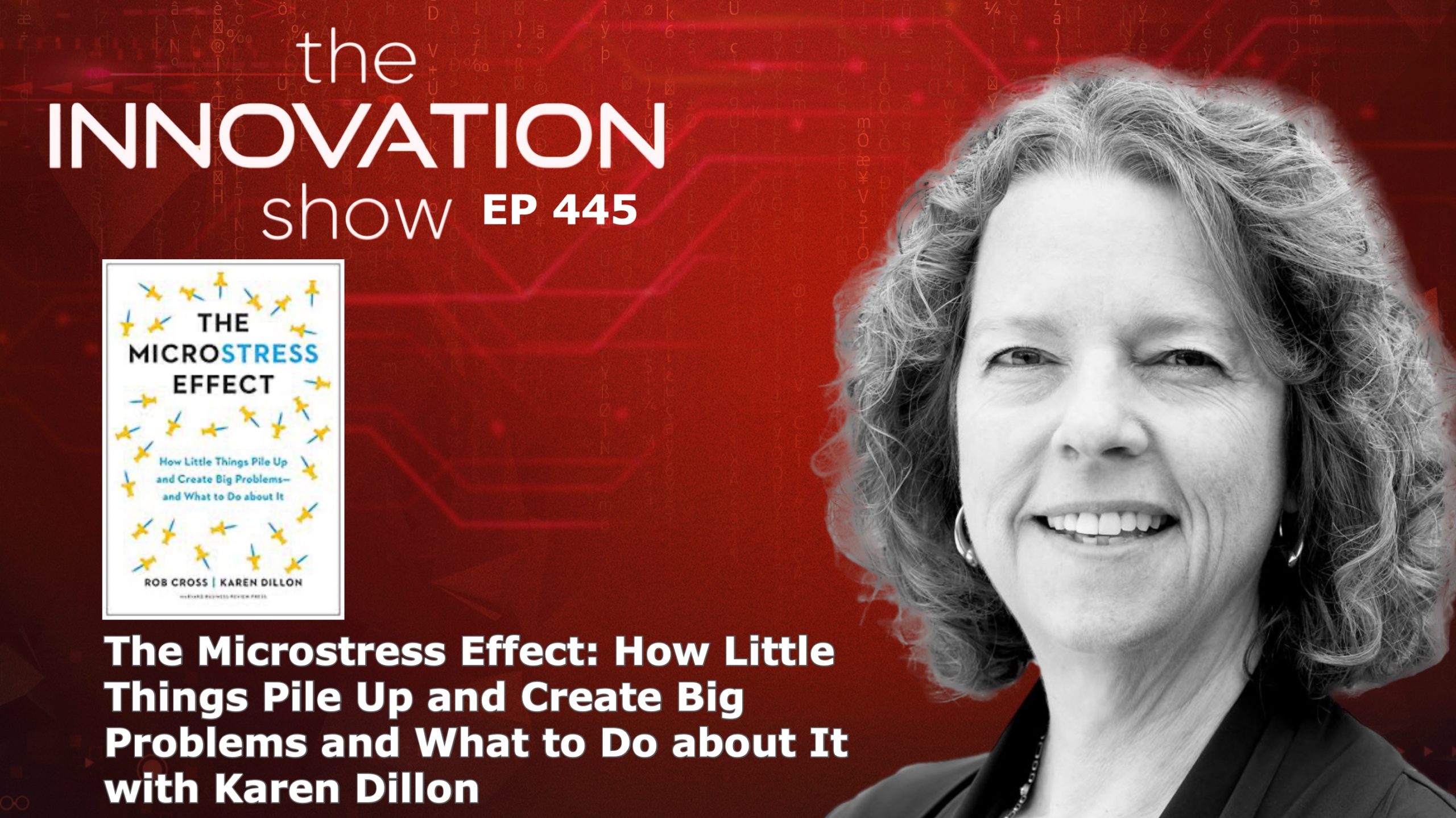
Microstress: tiny moments of stress triggered by people in our personal and professional lives; stresses so routine that we barely register them but whose cumulative toll is debilitating. We welcome the author of “The Microstress Effect” Karen Dillon
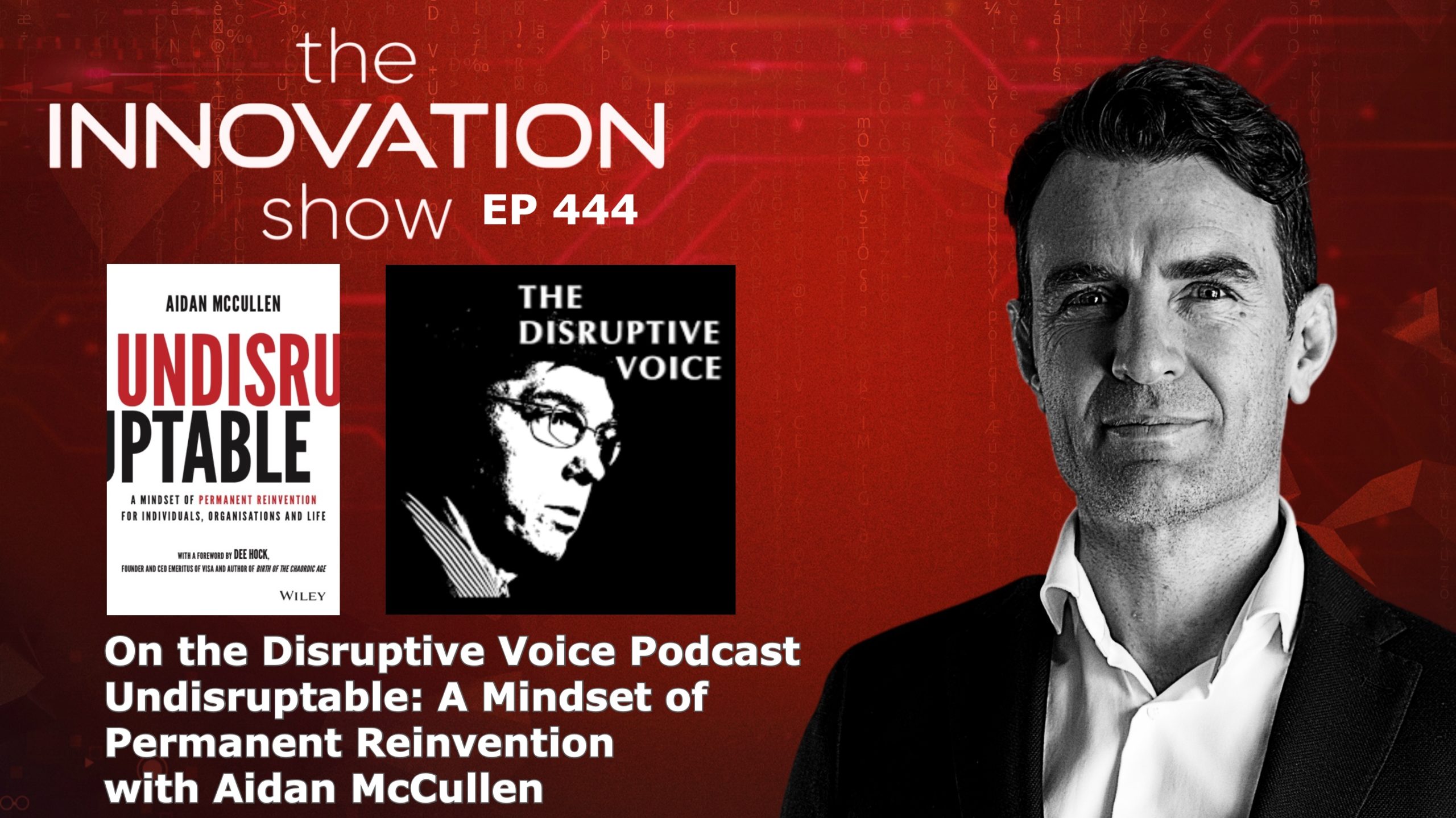
In his book, Undisruptable: A Mindset of Permanent Reinvention for Individuals, Organizations, and Life, Aidan McCullen writes about how, centuries ago, sailors would set out to sea with maps labelled with the Latin words hic sun dracones – here be dragons – which meant that they didn’t know much – if anything – about the uncharted waters and unexplored lands that awaited them.
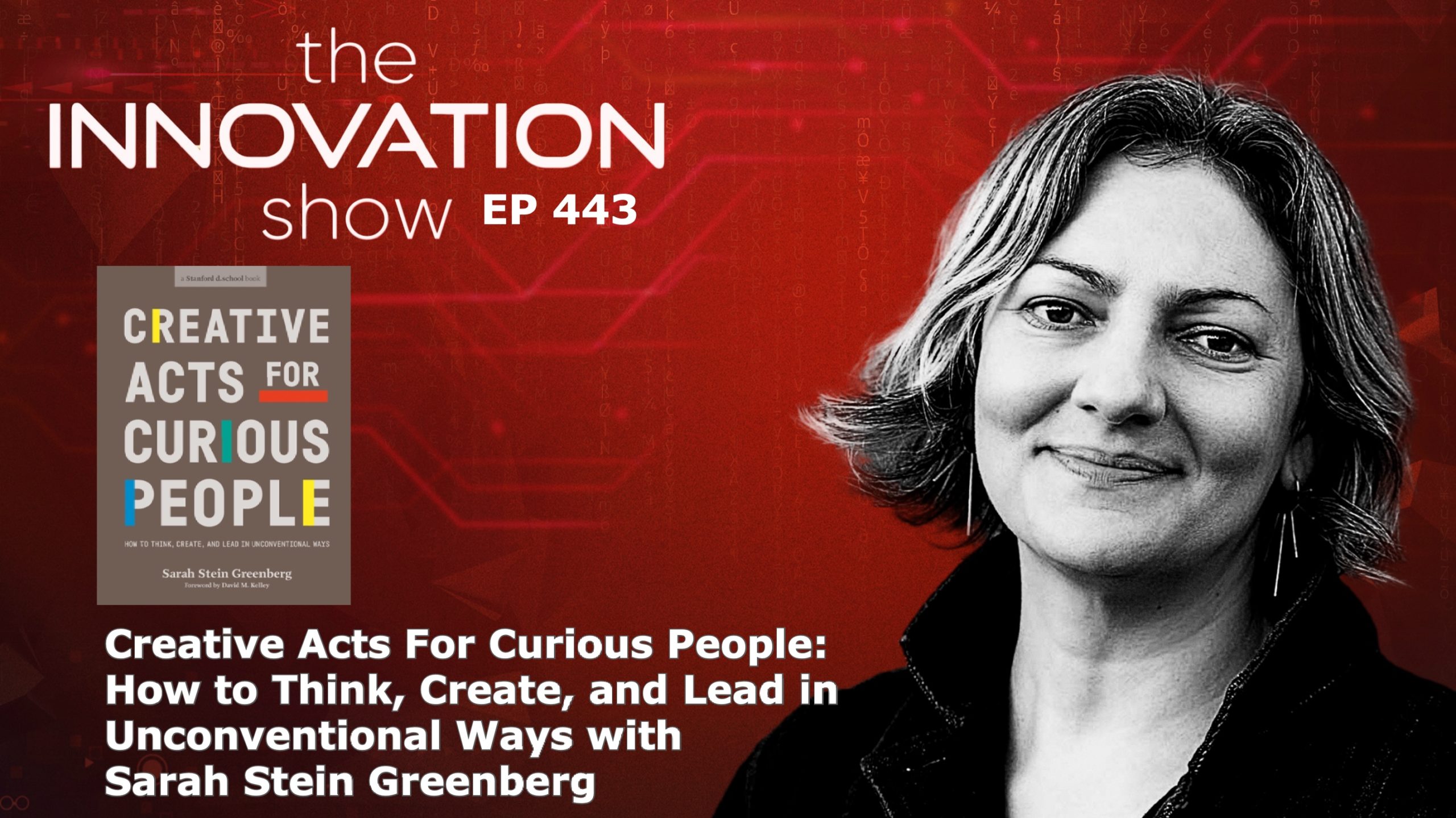
It is a pleasure to welcome the Executive Director of the Stanford d.school and the author of Creative Acts for Curious People: How to Think, Create, and Lead in Unconventional Ways, Sarah Stein Greenberg.

We are joined by the former CEO of Cypress Semiconductor, TJ Rodgers and his friend and author of Lead and Disrupt, Charles O’Reilly III
In Chapter 5 of Tushman and O’Reilly’s “Lead and Disrupt”, the authors share how Cypress Semiconductor used a similar venture funding model, complete with a one-page business plan, for initial funding to grow $40 million in businesses. With their approach called a “Federation of Entrepreneurs”, Cypress is a great case study in ambidextrous leadership.
In June 2019, Infineon Technologies announced it would acquire Cypress for $9.4 billion. The deal closed in April 2020, making Infineon one of the world’s top 10 semiconductor manufacturers.
We are joined today by that ambidextrous leader, the former CEO of Cypress TJ Rodgers and the author of Lead and Disrupt, Charles O’Reilly III.

In Chapter 5 of the Corporate Explorer, Binns, Tushman and O’Reilly share how a Corporate Explorer created a new business inside the consulting and accounting firm Deloitte.
His new unit, Deloitte Pixel, uses the “wisdom of crowds” to solve complex management problems. Ice are joined by Balaji Bondili.
Our guest had just joined IBM from McKinsey and was assigned as an internal consultant charged with supporting these nascent businesses.
We are about to hear that story and so much more.
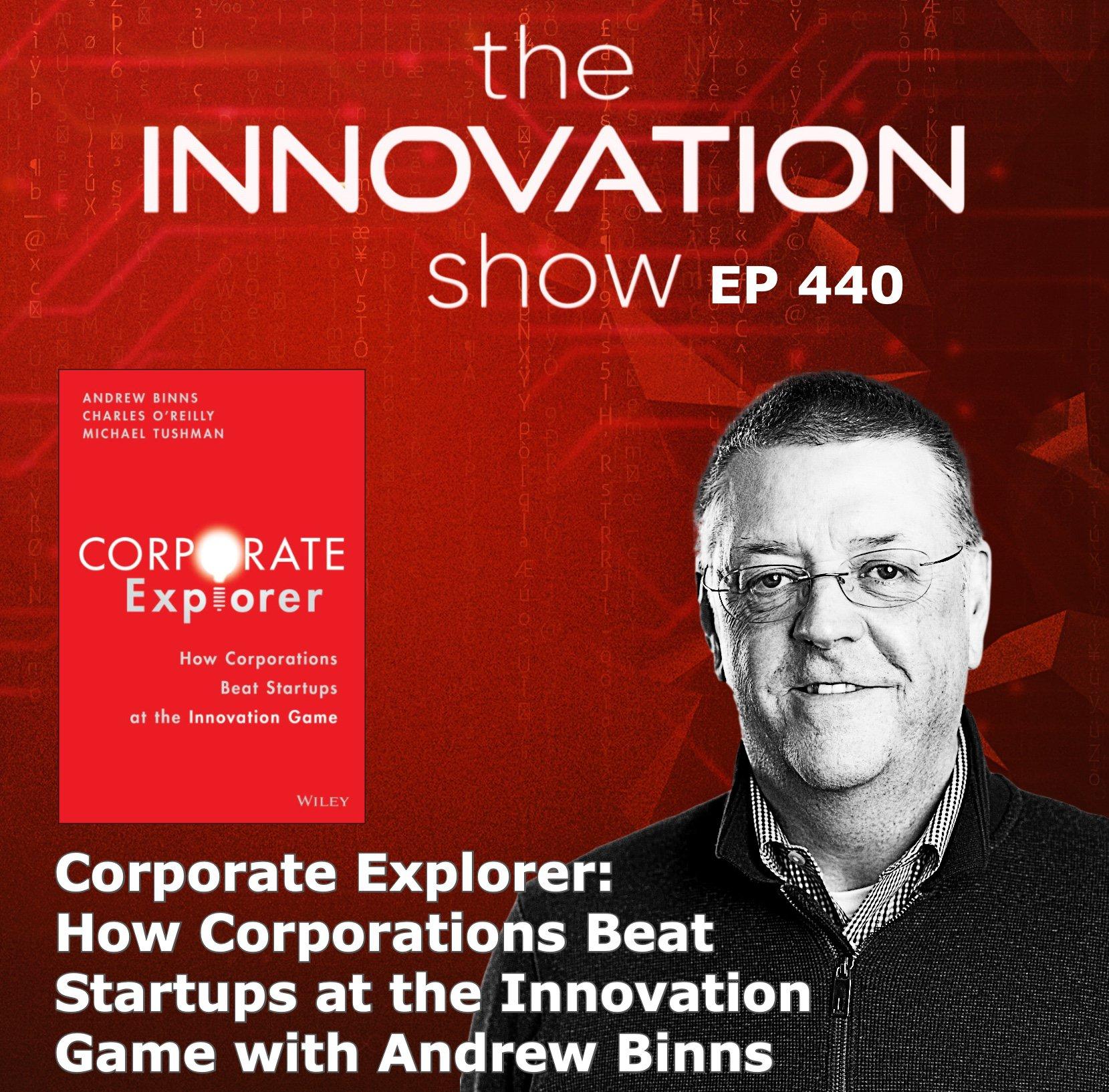
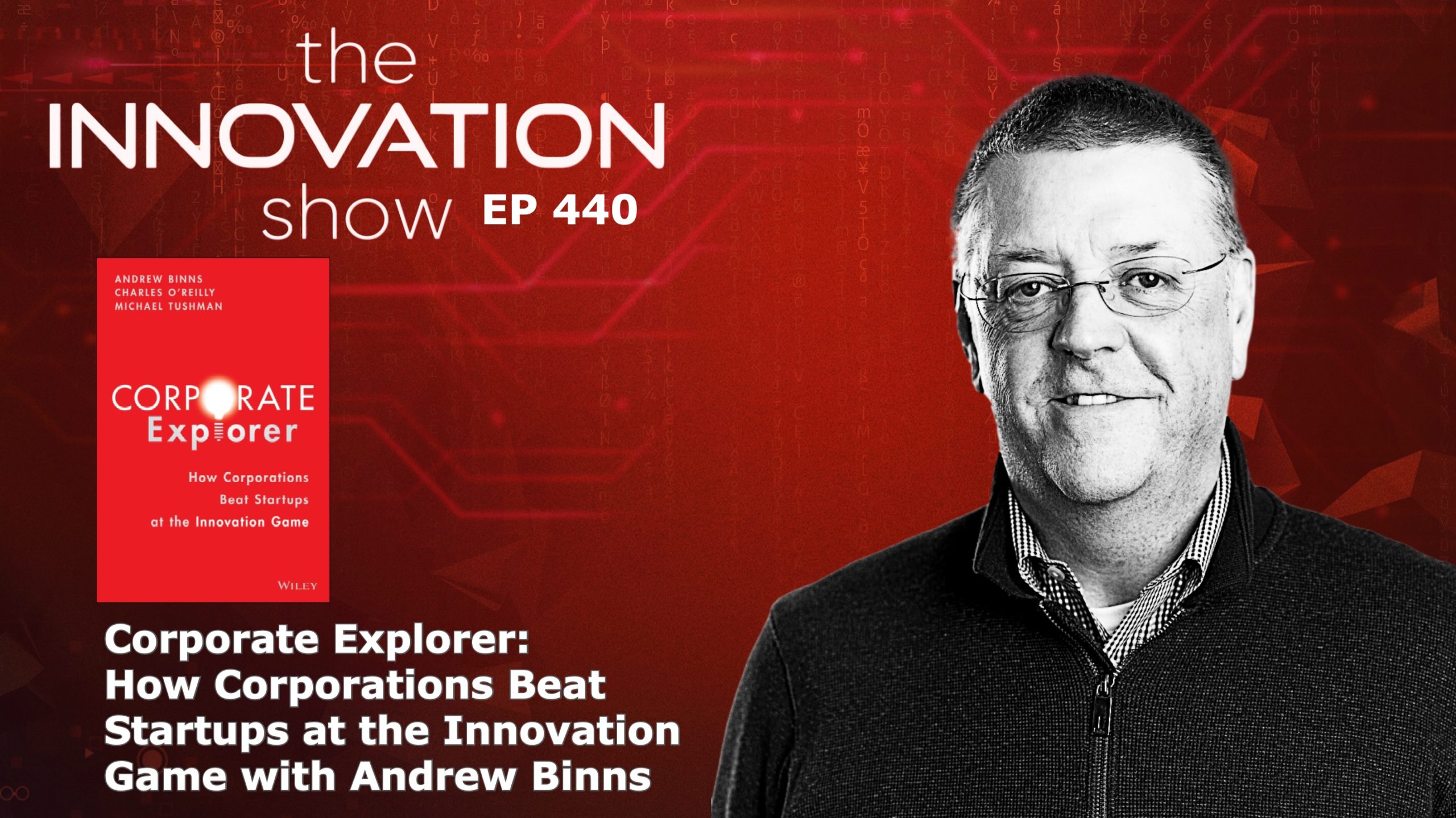
It is a pleasure to welcome the author of “The Corporate Explorer: How Corporations Beat Startups at the Innovation Game” Andrew Binns
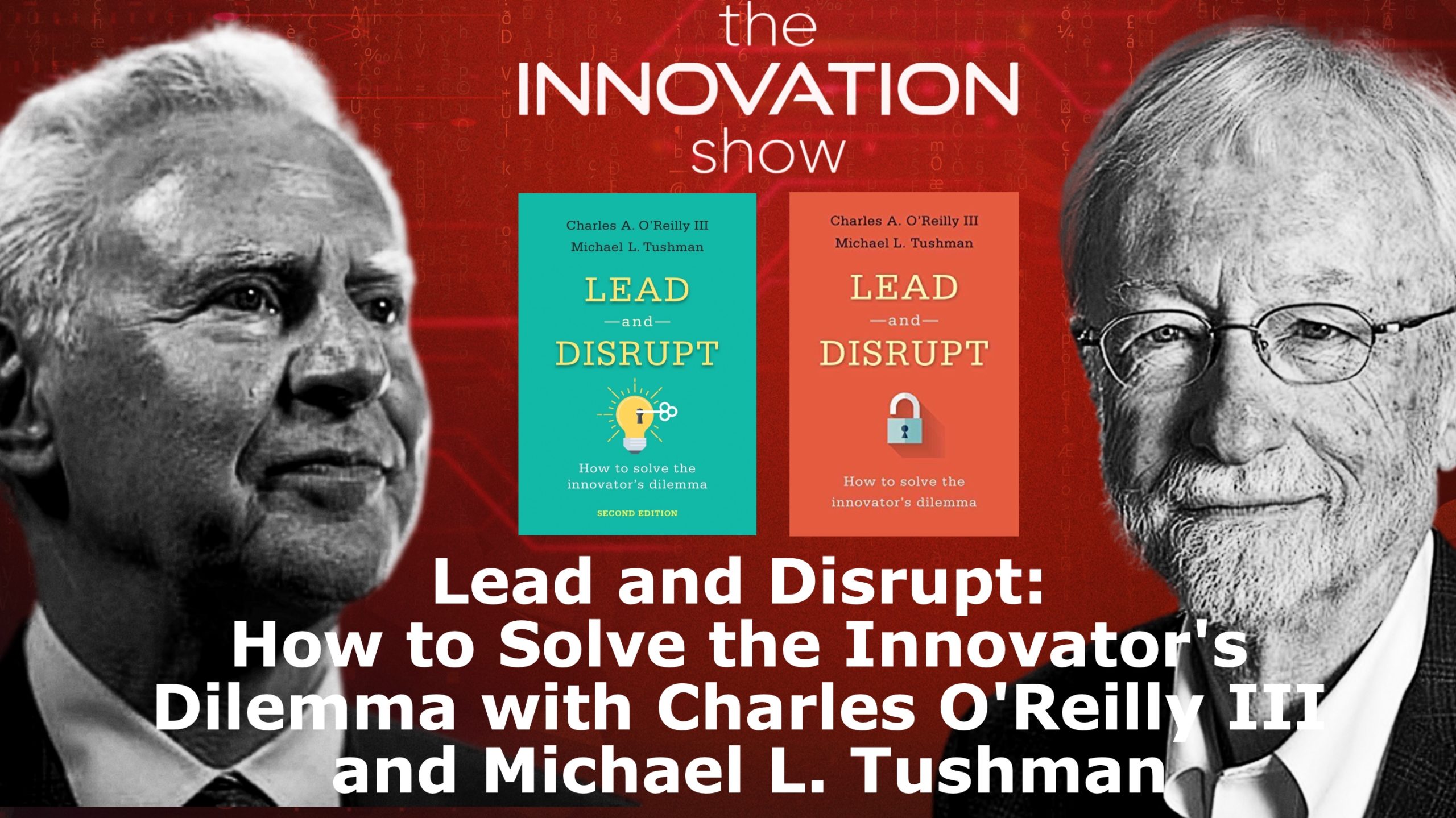
O’Reilly and Tushman illustrate how leaders can align their organization’s cultures to fit the needed strategy and how ideation, incubation, and scaling approaches, when used all together, can successfully develop new growth businesses.