EP 673 Genius at Scale: Linda Hill on Architects, Bridgers and Catalysts of Innovation

Most organisations have plenty of ideas. Scaling them is where innovation dies, says Harvard’s Linda Hill.

Linda Hill is a Harvard Business School professor, an ethnographer of leadership, and co-author of Genius at Scale: How Great Leaders Drive Innovation (Harvard Business Review Press) with Emily Tedards and Jason Wild. Her earlier book Collective Genius studied leaders at Pixar and beyond who build organisations able to innovate time and again. Genius at Scale goes further, into large, old, regulated organisations that research says are hostile to innovation. The result is the ABC framework of Architects, Bridgers and Catalysts.

In this conversation, Linda Hill reveals:
• Why leading innovation is a different job from leading change
• What a hospital CEO in Abu Dhabi meant by “leading through a fog”
• How 400 to 500 nurses ran A/B experiments to improve their own operations
• Why only 4 of 91 CEOs and C-suite leaders would accept the innovation job Ajay Banga offered at MasterCard
• The three roles of Architect, Bridger and Catalyst, and the practices behind each
• Why Microsoft’s Copilot depends on bridgers inside both Microsoft and OpenAI
• How Renault’s CEO tried to build a citizen movement behind electric vehicles
• Why bridgers rarely get the credit, and what leaders owe them

Chapters
00:00 Scaling Innovation Challenge
01:39 Episode Setup and Giveaway
02:24 Meet Linda Hill
05:28 Collective Genius Origins
08:27 From Innovation to Scale
11:55 COVID Innovation Ecosystems
16:09 Leading Through the Fog
21:17 Hospital Innovation Architecture
23:26 Mastercard Reluctant Innovators
29:51 ABCs Architect Bridger Catalyst
36:18 Bridger Work and Recognition
41:45 Wrap Up and Sponsor

Win a copy of Genius at Scale. Watch on YouTube, spot the colour of the two books on Linda’s desk, and answer in the comments or reply to the Thursday Thought, with thanks to Kyndryl.
https://thethursdaythought.substack.com

Read Linda’s article at the Kyndryl Institute, Why continuous modernization demands more than just technology change
https://www.kyndryl.com/gb/en/institute/2026/09/continuous-modernization

About the Host
Aidan McCullen is the 2025 Thinkers50 Innovation Award recipient, keynote speaker on AI, disruption, innovation and change, host of The Innovation Show, and author of Undisruptable: A Mindset of Permanent Reinvention (Wiley).
https://theinnovationshow.io/about-aidan-mccullen

About The Innovation Show
The Thinkers50-recognised podcast where square pegs find their place in a world of round holes. This series is brought to you by Kyndryl, who run and reimagine the technology systems that drive advantage for the world’s leading businesses. Learn more at https://www.kyndryl.com

Website https://theinnovationshow.io
Thursday Thought https://thethursdaythought.substack.com
YouTube https://www.youtube.com/c/theinnovationshow
LinkedIn https://www.linkedin.com/in/aidanmccullen
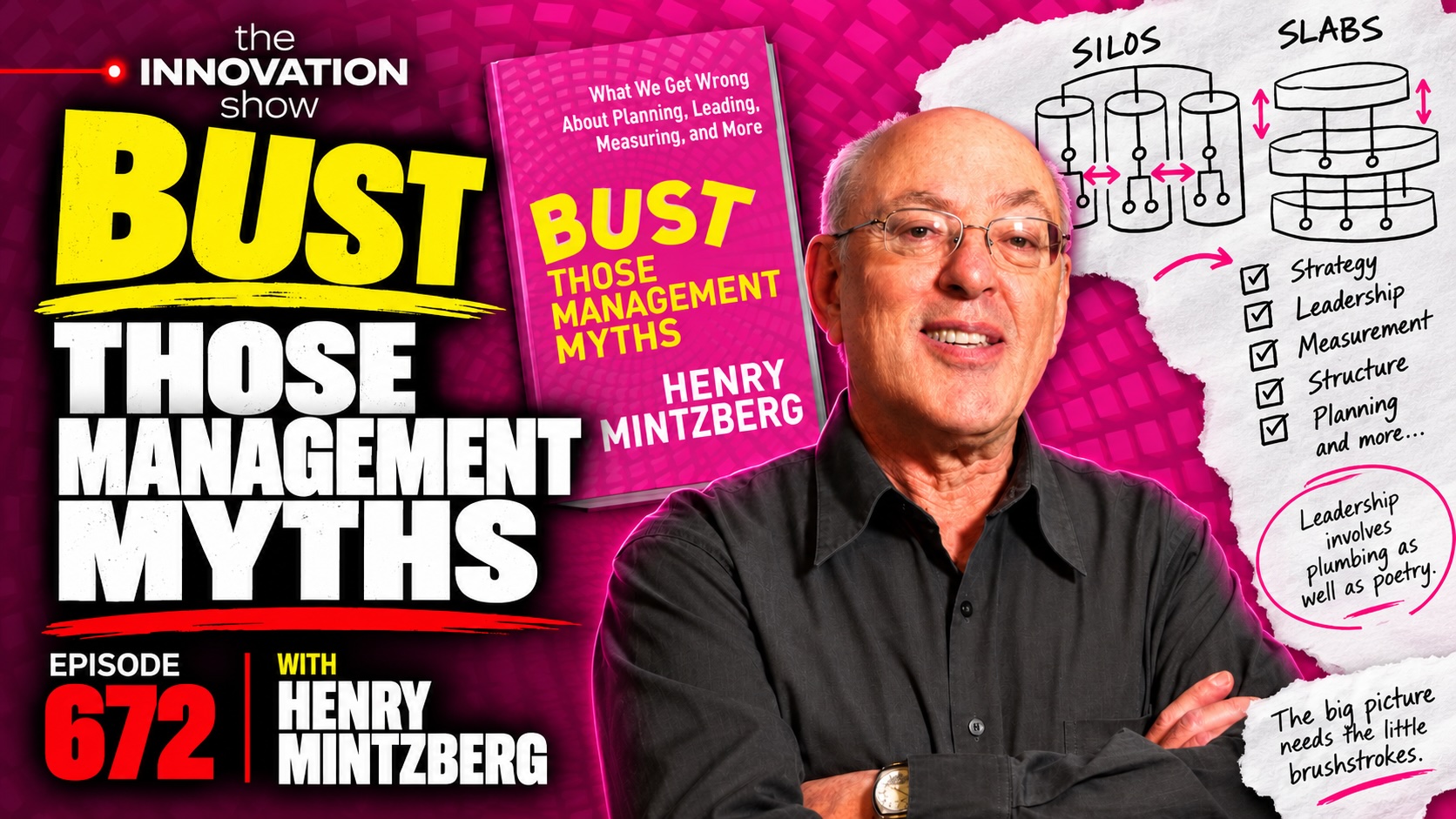

Henry Mintzberg busts management myths on The Innovation Show with Aidan McCullen

Henry Mintzberg: Who Ever Measured Management? | Bust Those Management Myths

“If you can’t measure it, you can’t manage it.” Henry Mintzberg calls that a ridiculous comment. The McGill professor discusses his new book, Bust Those Management Myths, from the flat earth theory to bees and flies in a bottle, and explains why strategies are learned and why top management is a dangerous metaphor.

David Rogers explains the AI value gap on The Innovation Show with Aidan McCullen

AI Value Gap | Why AI Investments Fail to Pay Off | David Rogers

Companies are pouring money into AI and the CFO still cannot see the return. David Rogers explains why the AI value gap is a strategy problem, shares the AI value equation and walks through four steps that tie AI to the income statement.

Alexander Osterwalder explains six patterns of value creation and the Value Stack on The Innovation Show with Aidan McCullen

EP 670 Alexander Osterwalder on the Value Stack: 6 Patterns of Value Creation

Alexander Osterwalder shares six patterns of value creation and the Value Stack, a new Strategyzer tool for sharpening your value proposition. Nintendo won with an inferior console. Ford made cars for his factory workers. Diners Club invented the credit card. Hear how each pattern works and how to apply it.

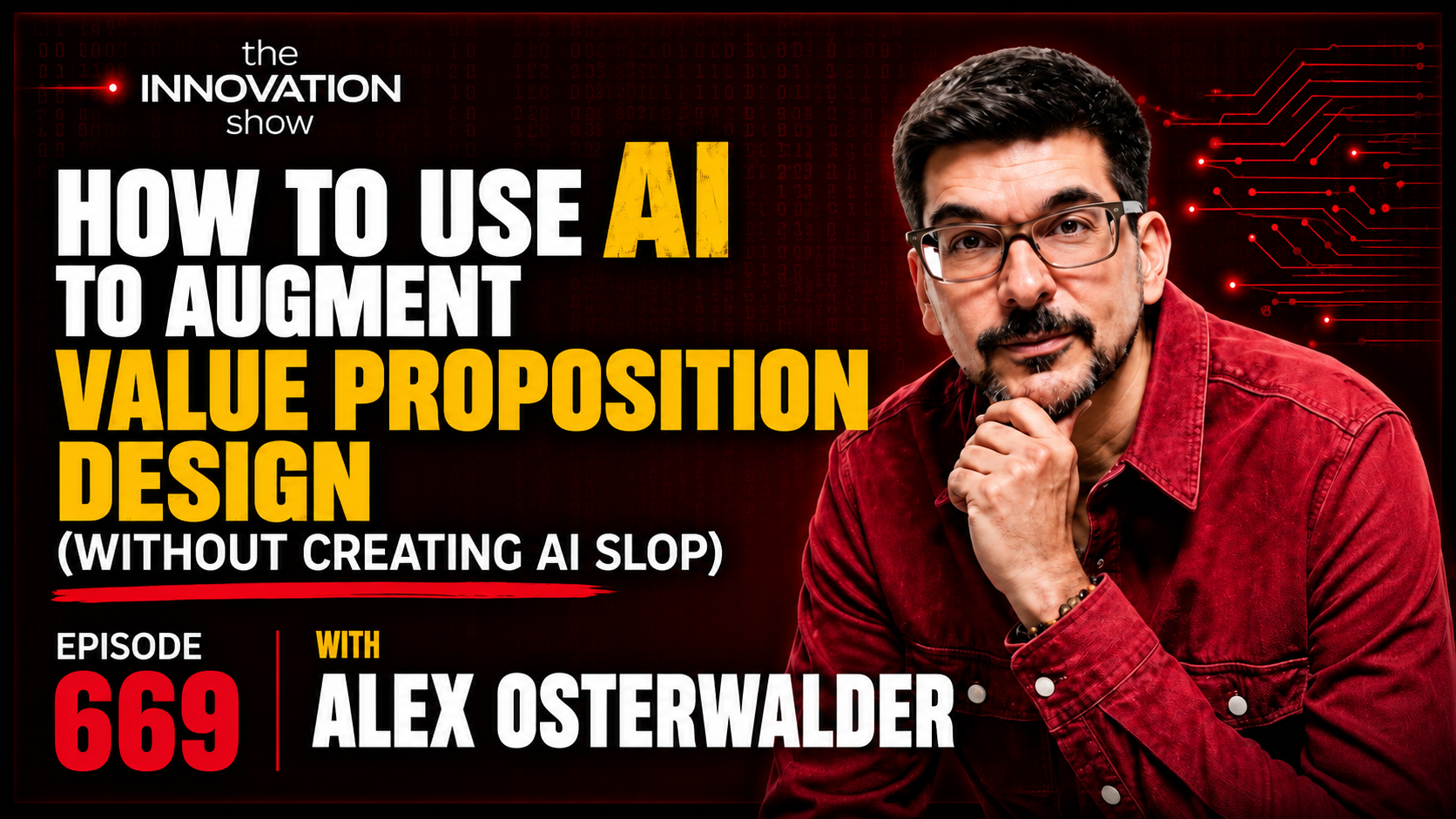
Alex Osterwalder explains AI value proposition design on The Innovation Show with Aidan McCullen

EP 669 Alex Osterwalder: How to Use AI to Augment Value Proposition Design (Without Creating AI Slop)

AI writes brilliant sales decks once you feed it the right ingredients. Alex Osterwalder explains the four artifacts teams must build first, how the new Value Stack ranks benefits using Gmail as the example, and why marketers are becoming overseers of AI agents.

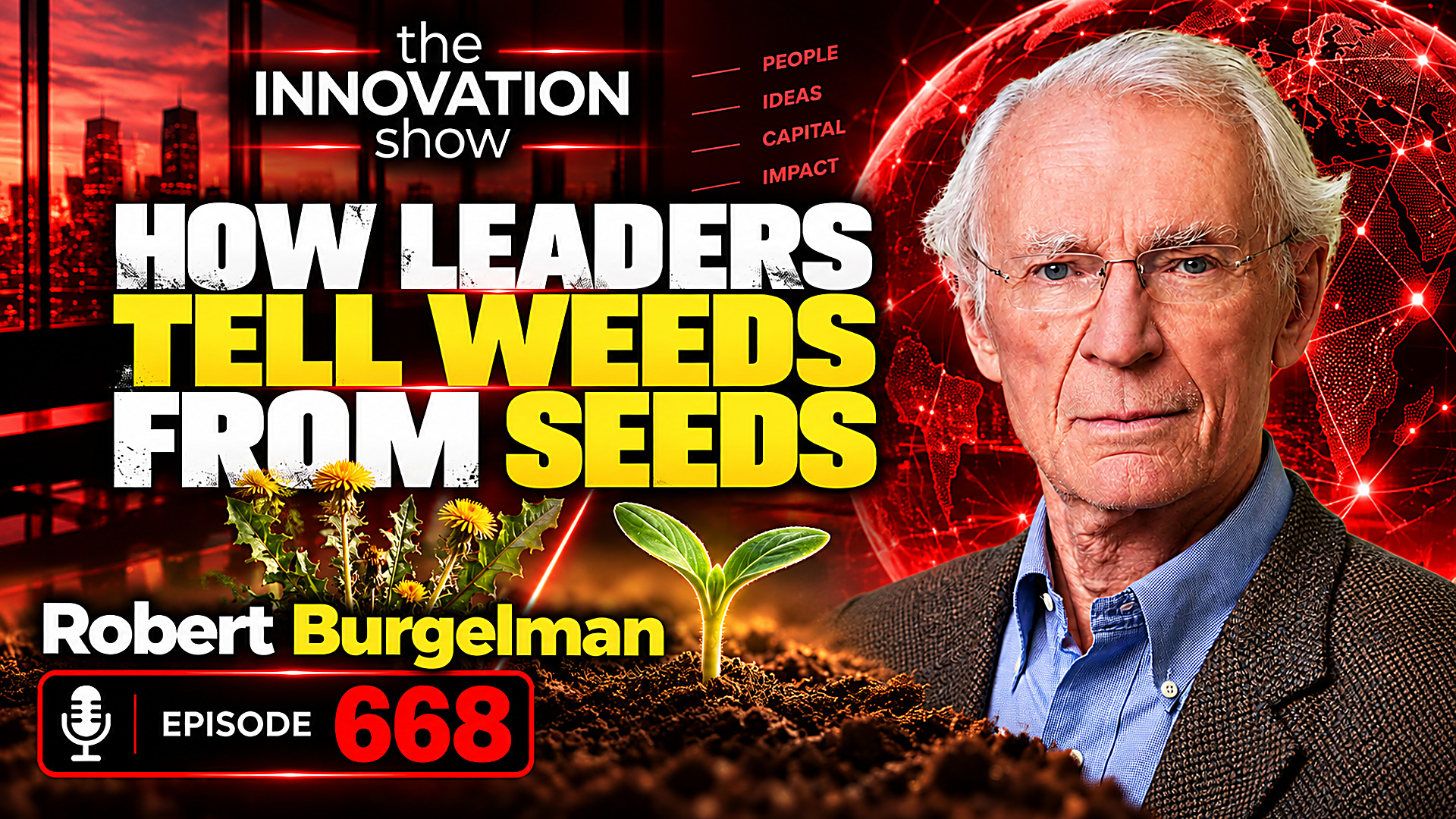
Robert Burgelman explains autonomous strategic behaviour at Intel on The Innovation Show with Aidan McCullen

How to Get Leadership to Back Your Idea Robert Burgelman on Intel

Intel’s microprocessor began as a side project nobody at the top asked for. A later RISC chip was shut down. Stanford’s Robert Burgelman explains autonomous strategic behaviour, why leaders back projects that teach the company something new, and how internal entrepreneurs can carry the burden of proof.

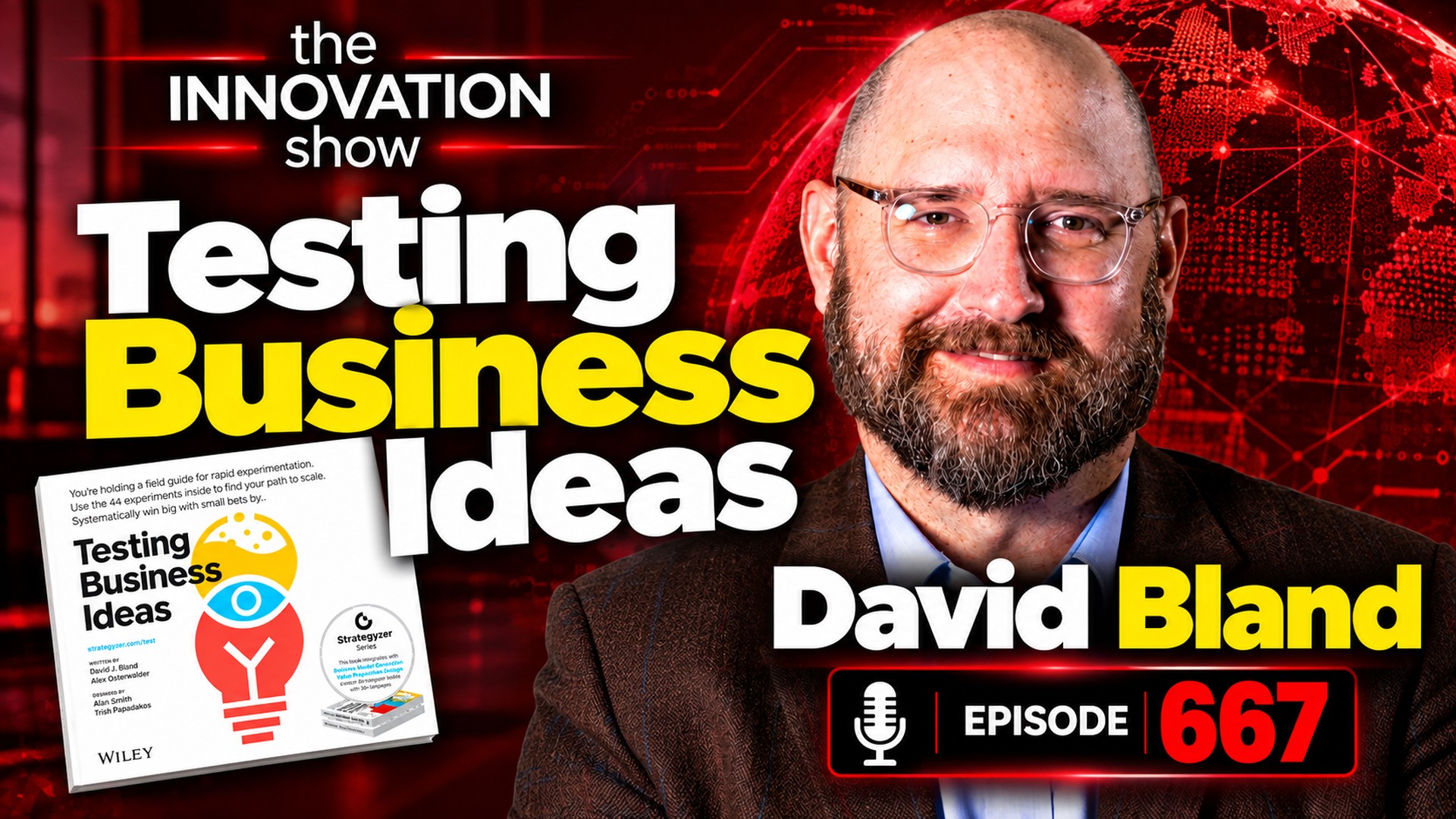
David Bland, author of Testing Business Ideas, on assumptions mapping and the DuPont case study, The Innovation Show episode 667

EP 667: David Bland on DuPont, Qnity and the Power of Assumptions Mapping

David Bland, lead author of Testing Business Ideas, shares how assumptions mapping helped DuPont and Qnity build an award-winning experimentation culture. Across 35 real opportunities, DuPont saved over $12M by stopping weak projects early and earned about $24M from the ideas that passed.

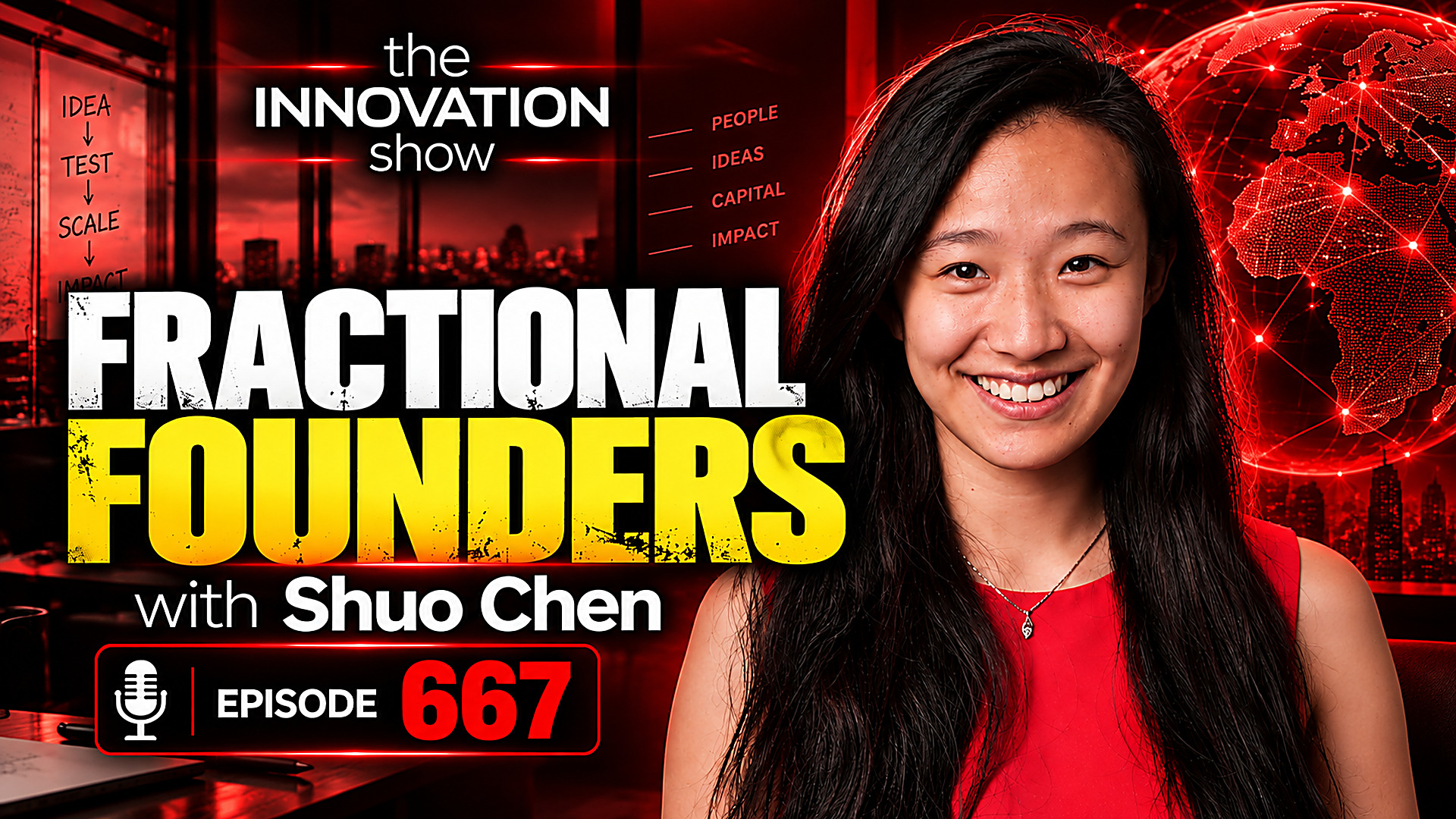
Shuo Chen explains fractional founders and how great startups begin on The Innovation Show with Aidan McCullen

Ep 666: Shuo Chen — Fractional Founders, Frontier Firms and Why Enterprise Data Is AI's Gold

Eight of the ten American trillion-dollar companies started as side projects, according to Shuo Chen’s research. The IOVC general partner and Stanford and Berkeley lecturer explains fractional founders, why the organism rejects the organ, how frontier firms use AI, and why Google bid for Spirit Airlines’ data.

Paul Nunes discussing combinatorial innovation and Motorola's comeback on The Innovation Show with Aidan McCullen

Paul Nunes — Motorola, Combinatorial Innovation and the Treasure in the Trash

Combinatorial innovation means most new products are recombinations of parts that already exist. Paul Nunes, co-author of Jumping the S-Curve, explains how that logic explains Motorola’s collapse and comeback, why suppliers matter more than your R&D department, and why price deflation may be the hardest strategy problem of the next decade.

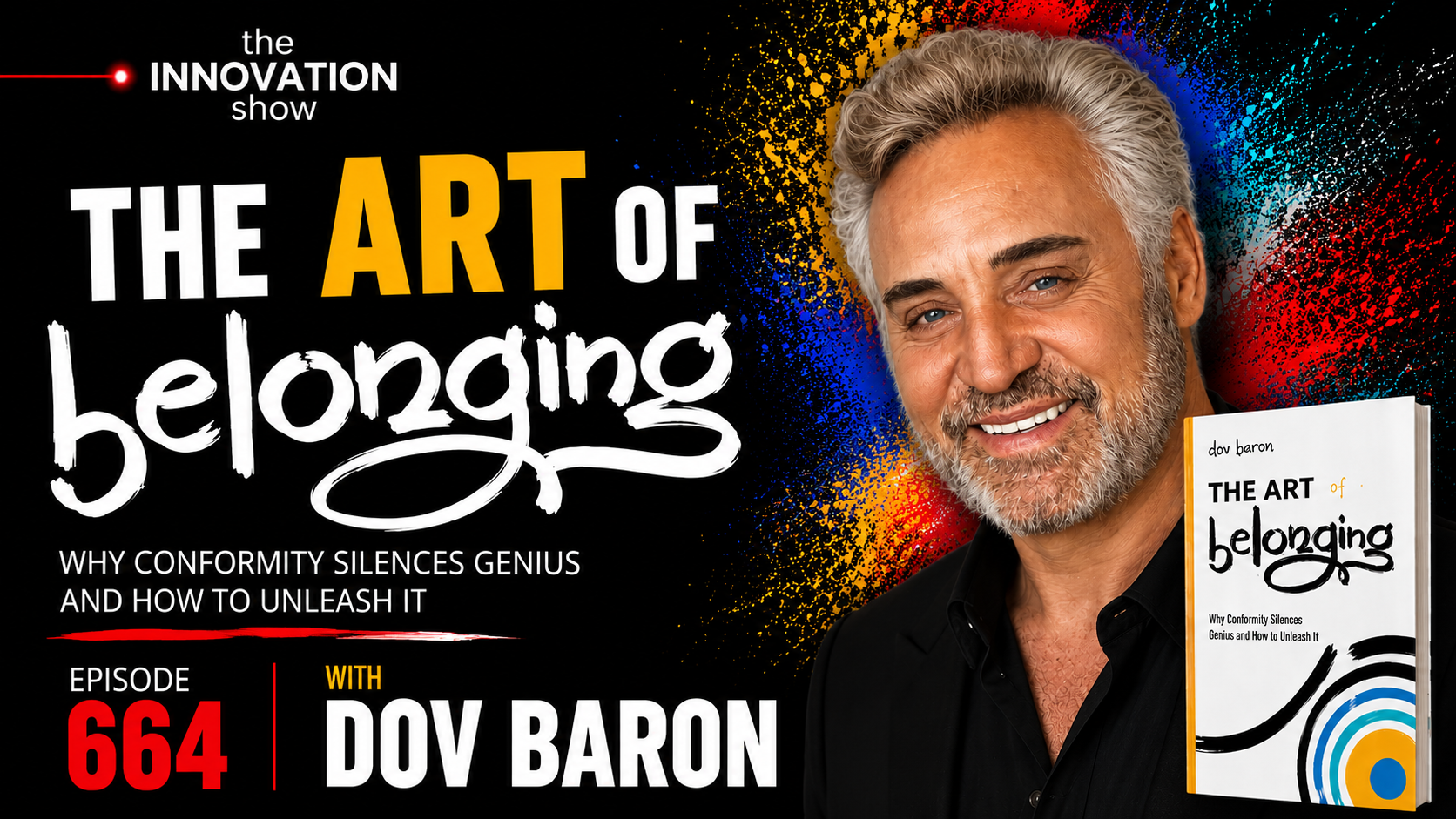
Dov Baron, author of The Art of Belonging, on The Innovation Show episode 664 with Aidan McCullen, discussing identity addiction and cultures of belonging

Dov Baron — The Art of Belonging and Identity Addiction

Identity addiction is why most behavioural change fails, says Dov Baron, author of The Art of Belonging. In Vancouver, he tells Aidan McCullen about the 1990 climbing fall in which he died five times, the moment a dead cat forced him to choose a new life, and why organisations that want innovation must build community, psychological safety and healthy conflict.

Positive SSL