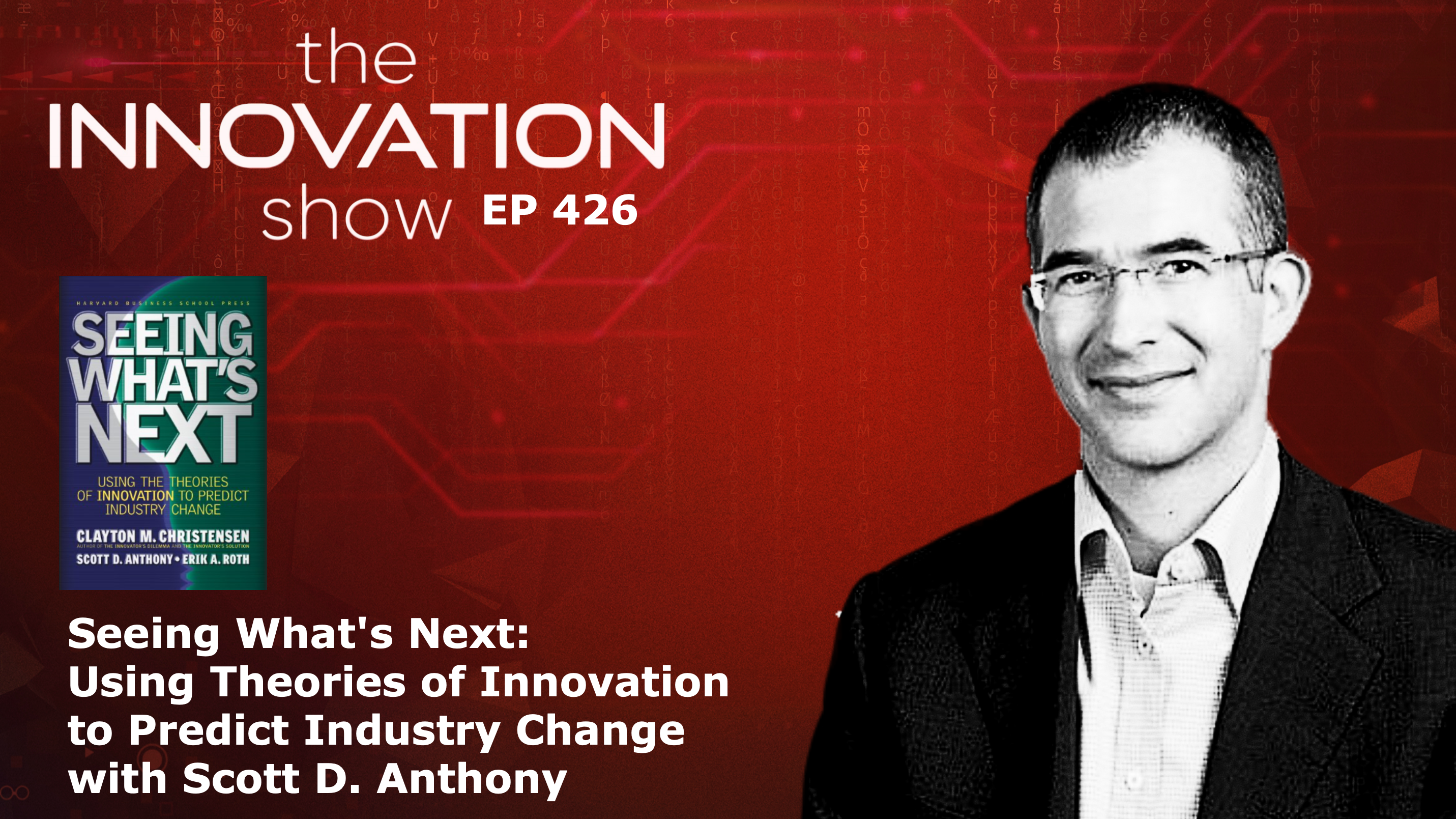
Today’s book shows how to use the theories of innovation developed in The Innovator’s Dilemma and The Innovator’s Solution—and introduces some new ones. The book argues that it is possible to predict which companies will win and which will lose in a given situation–and provides a practical framework for doing so. We are joined by a long-time collaborator, friend and student of both Clayton Christensen, and he is a long-time friend of this show, Scott D. Anthony.
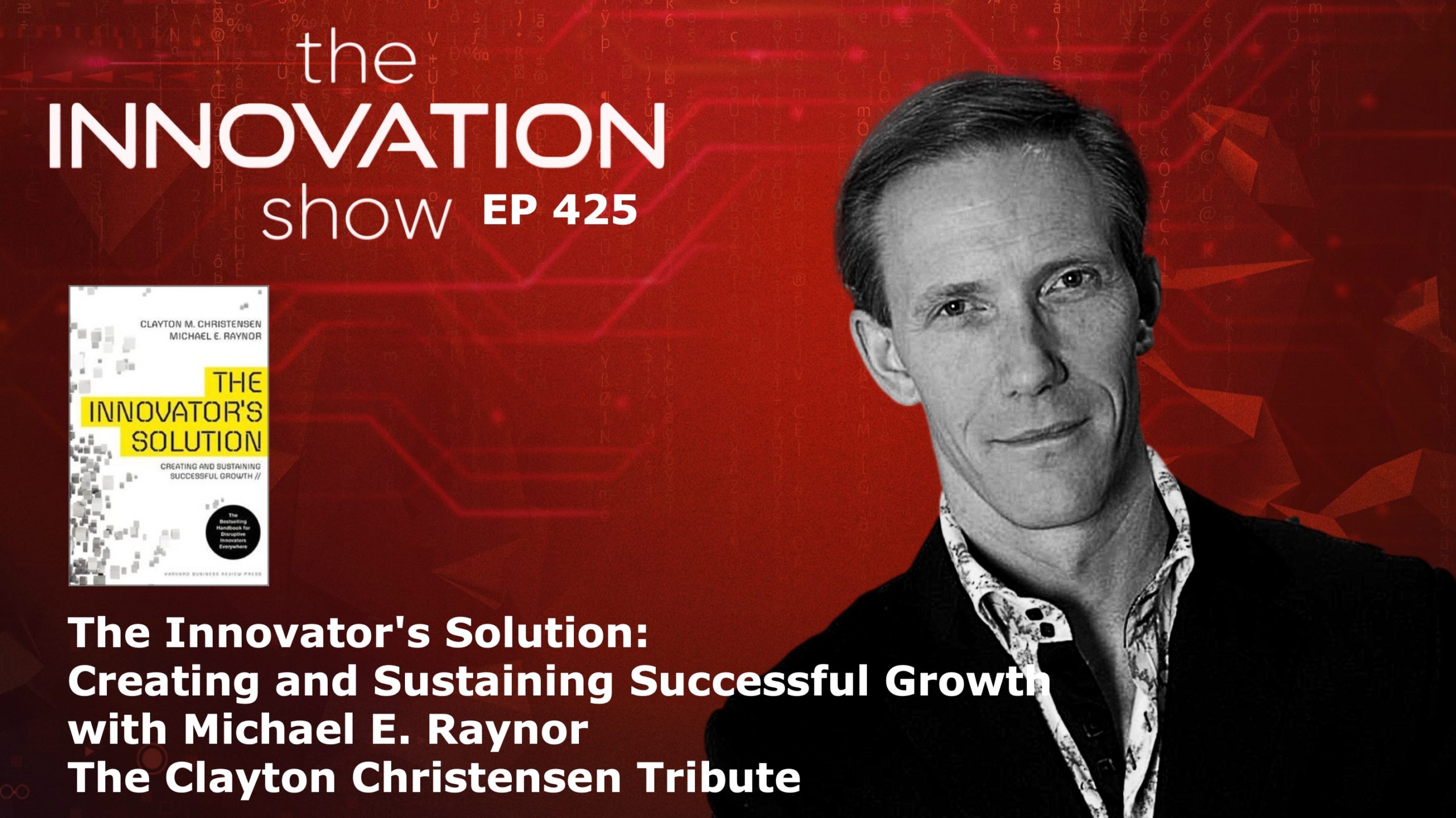
The Innovator’s Dilemma summarised a theory that explains how, under certain circumstances, the mechanism of profit-maximising resource allocation causes well-run companies to get killed. The Innovator’s Solution, in contrast, summarises a set of theories that can guide managers who need to grow new businesses with predictable success—to become the disruptors rather than the disruptees—and ultimately kill the well-run, established competitors. To succeed predictably, disruptors must be good theorists. As they shape their growth business to be disruptive, they must align every critical process and decision to fit the disruptive circumstance.
We are joined to share some concepts from The Innovator’s Solution by Clayton Christensen’s co-author Michael E. Raynor
Articles mentioned
Skate to Where the Money Will Be
by Clayton M. Christensen, Michael E. Raynor, and Matthew Verlinden
https://hbr.org/2001/11/skate-to-where-the-money-will-be
Of waves and ripples: Disruption theory’s newest critic tries to make a splash
by Michael E. Raynor
The Innovator’s Dilemma summarised a theory that explains how, under certain circumstances, the mechanism of profit-maximising resource allocation causes well-run companies to get killed. The Innovator’s Solution, in contrast, summarises a set of theories that can guide managers who need to grow new businesses with predictable success—to become the disruptors rather than the disruptees—and ultimately kill the well-run, established competitors. To succeed predictably, disruptors must be good theorists. As they shape their growth business to be disruptive, they must align every critical process and decision to fit the disruptive circumstance.
We are joined to share some concepts from The Innovator’s Solution by Clayton Christensen’s co-author Michael E. Raynor
Articles mentioned
Skate to Where the Money Will Be
by Clayton M. Christensen, Michael E. Raynor, and Matthew Verlinden
https://hbr.org/2001/11/skate-to-where-the-money-will-be
Of waves and ripples: Disruption theory’s newest critic tries to make a splash
by Michael E. Raynor
The Innovator’s Solution summarises a set of theories that can guide managers who need to grow new businesses with predictable success—to become the disruptors rather than the disruptees—and ultimately kill the well-run, established competitors. To succeed predictably, disruptors must be good theorists. As they shape their growth business to be disruptive, they must align every critical process and decision to fit the disruptive circumstance.
The paper I wanted to share today aims to provide a common language about the research process that helps management scholars spend less time defending the style of research they have chosen and build more effectively on each other’s work.
I felt this series on Clayton Christensen’s work and theories would be incomplete without this episode.
It is a great pleasure to welcome the co-author of that paper and a person who has built on this work considerably, Paul Carlile.
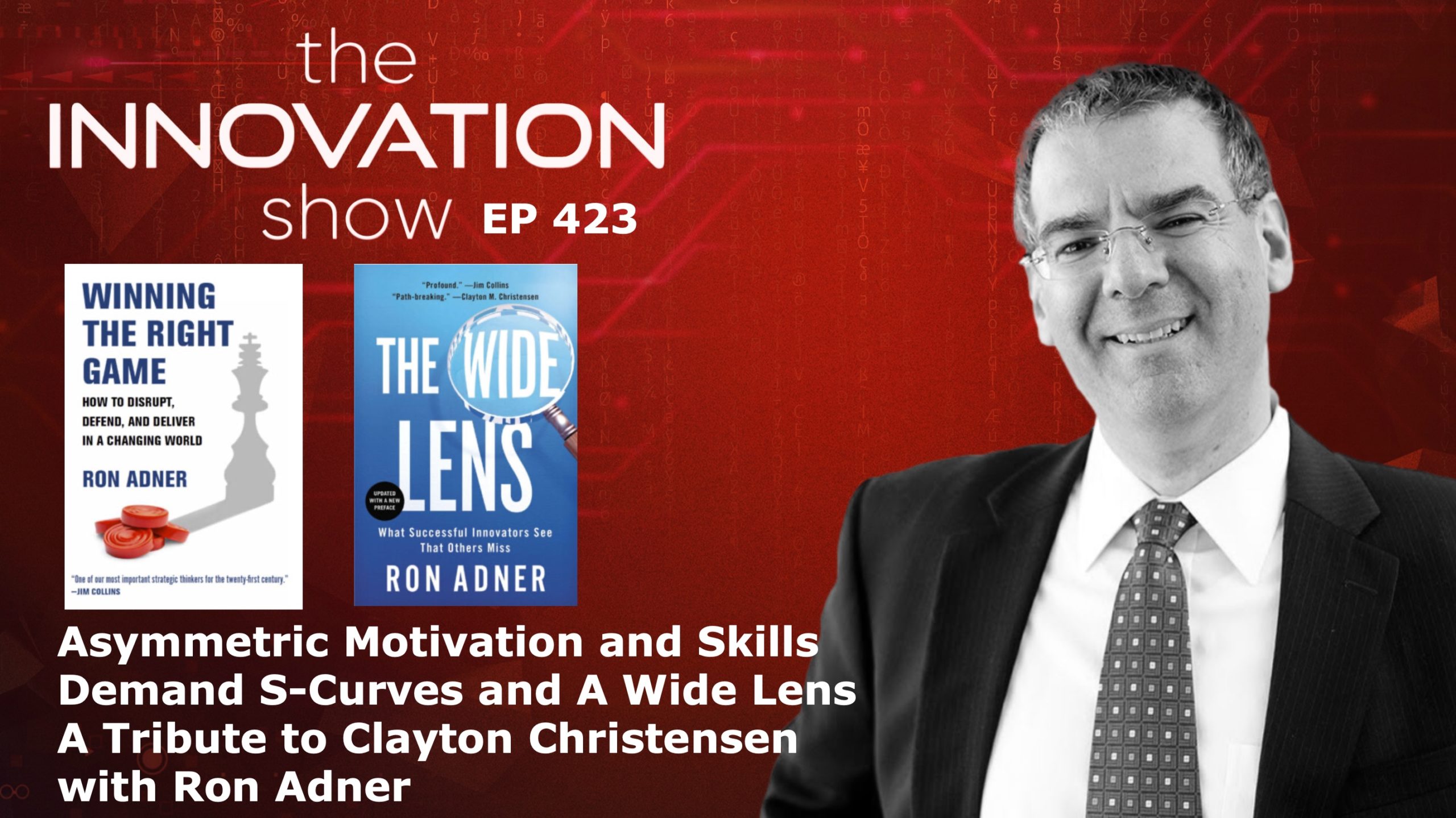
Our guest’s award-winning research introduces a new perspective on value creation and competition when industry boundaries break down in the wake of ecosystem disruption. His two books, The Wide Lens and Winning the Right Game, have been heralded as landmark contributions to strategy literature. Clayton Christensen described his work as “Path-breaking”, and Jim Collins has called him “One of our most important strategic thinkers for the 21st century.”
It is a pleasure to welcome Ron Adner.
Find Ron here: https://ronadner.com
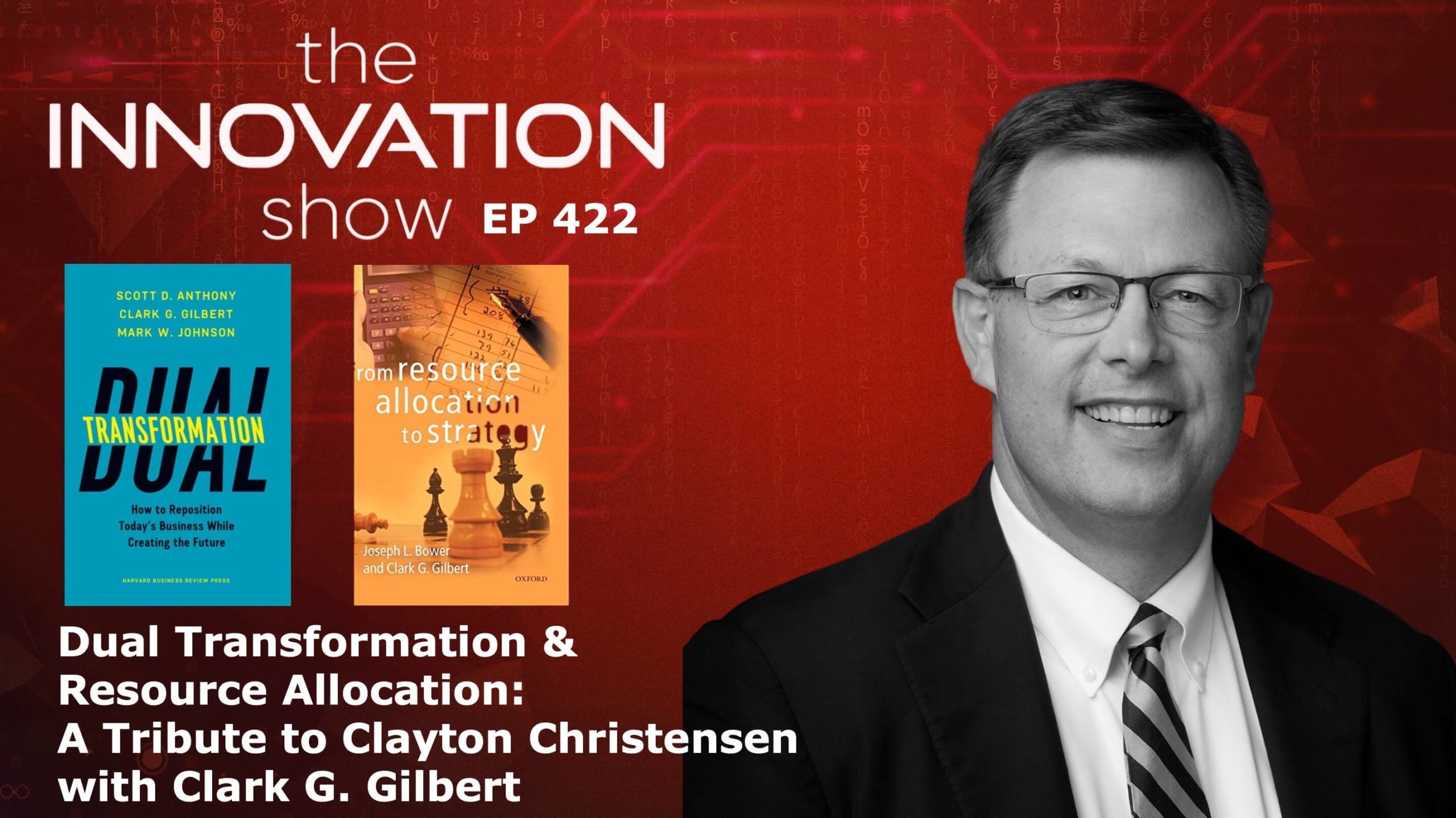
Clark G. Gilbert on Clayton Christensen, “Dual Transformation” and “From Resource Allocation to Strategy”
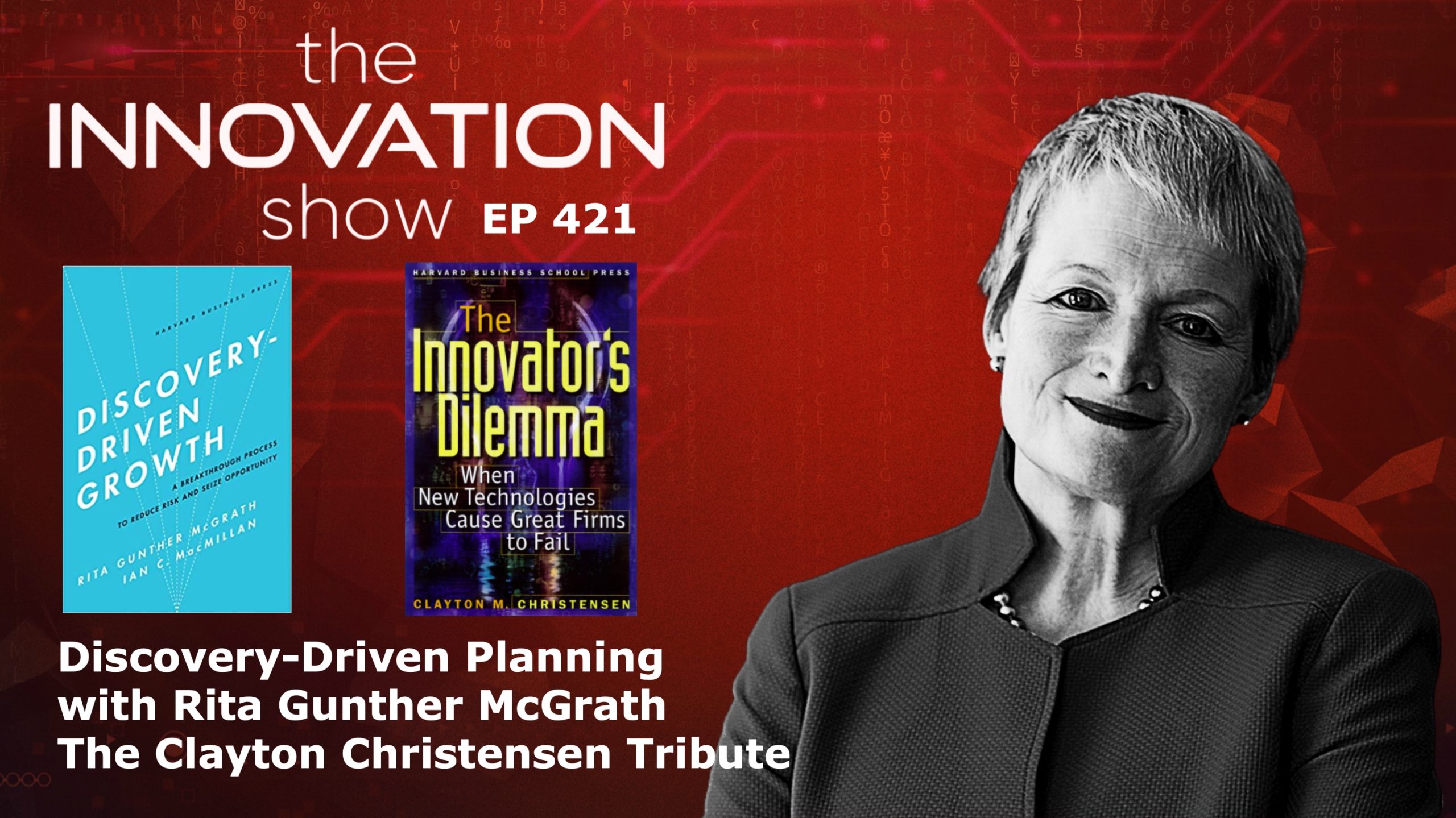
Discovery-Driven Planning with Rita Gunther McGrath The Clayton Christensen Tribute
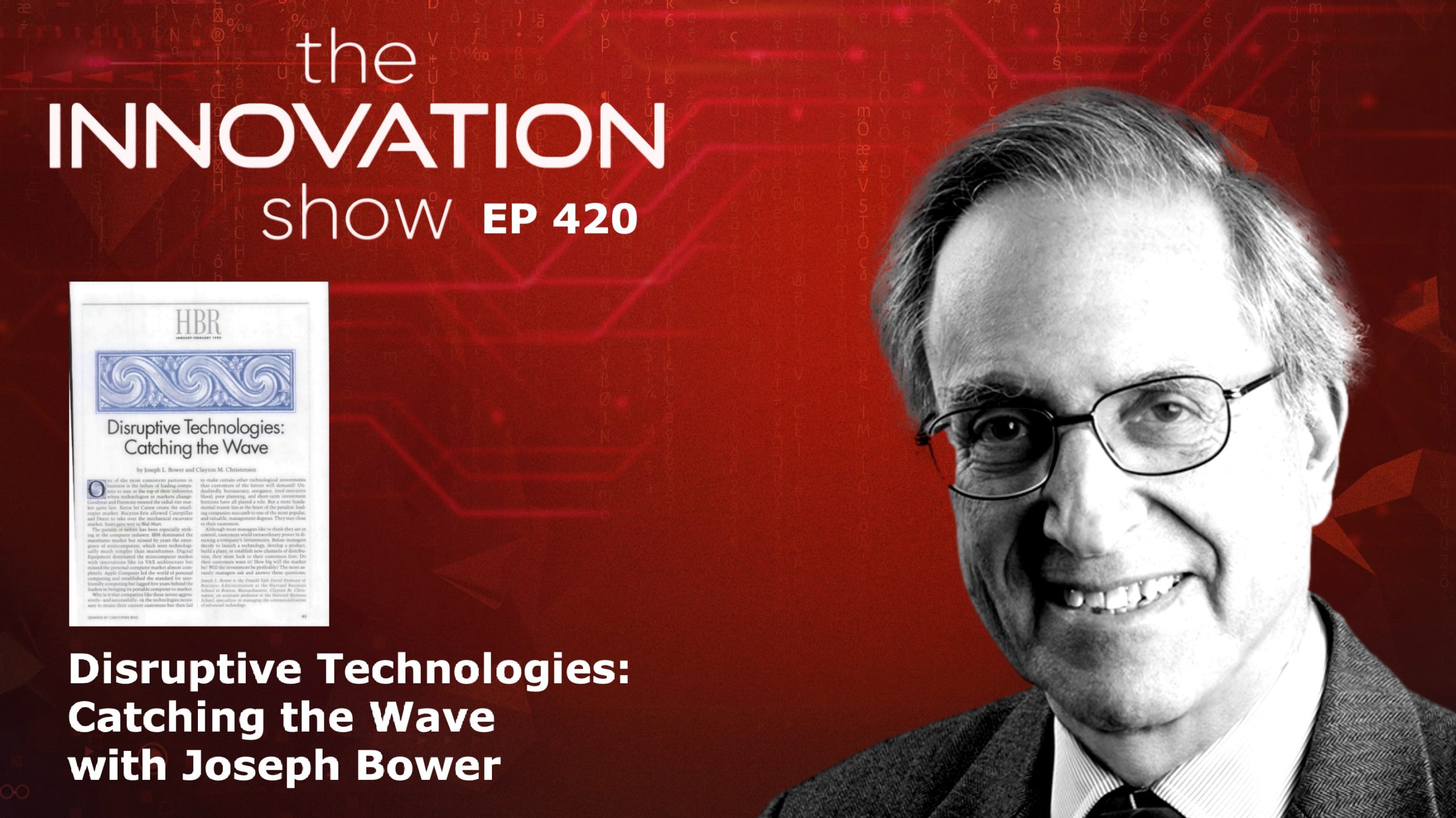
Joseph L. Bower is the father of Resource Allocation theory included in his 1970 groundbreaking book, Managing the Resource Allocation Process.
He has been a leader in general management at Harvard Business School for over 5 decades where he is the Donald K. David Professor Emeritus.
He was Clayton Christensen’s doctoral thesis adviser and worked with Clay to develop and stress test his theories.
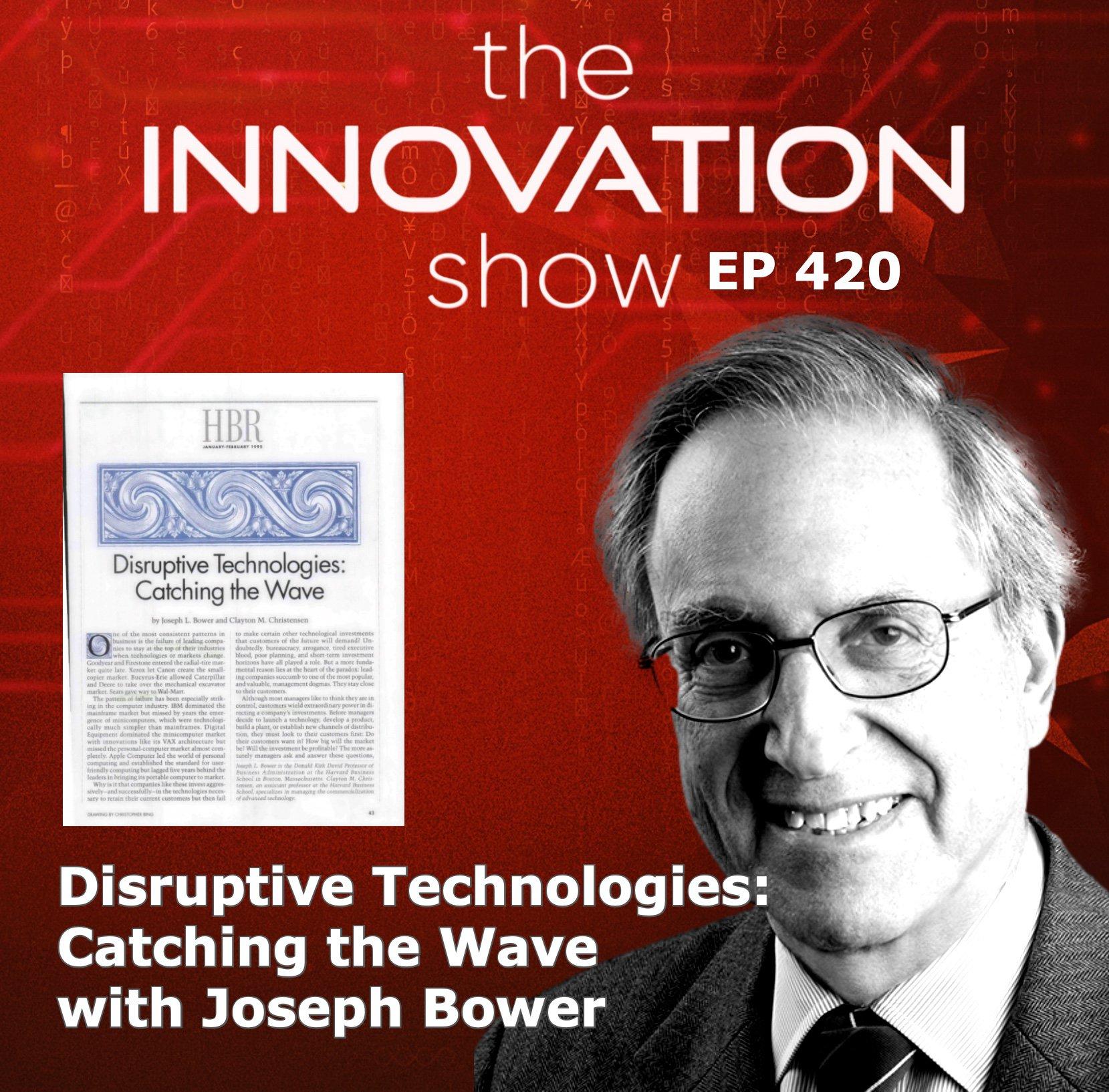
He is with us today to recognise his friend and revisit that famous 1995 article,
“Disruptive Technologies: Catching the Wave” that preceded the Innovator’s Dilemma
In a way this episode is a prequel to part one.
It is a great honour to welcome for the hour or Bower: Professor Joseph L. Bower
The logical, competent decisions of management that are critical to the success of their companies are also the reasons why they lose their positions of leadership.” How can executives simultaneously do what is right for the near-term health of their established businesses while focusing adequate resources on the disruptive technologies that ultimately could lead to their downfall? The Innovator’s Dilemma!!!
Clayton Christensen fathered the “theory of disruptive innovation”, but he also fathered wonderful people who have built on his pioneering work. We are honoured to be joined by one such pioneer. The apple does not fall far from the tree; he is offspring in mind and body and spirit we welcome Co-Founder, CEO, and Managing Partner of Rose Park Advisors, Matt Christensen, welcome to the show.